A Deaddite by Any Other Name...

I wonder if Lee Cronin ever wanted or intended to make a mummy movie?
I don't know how it works in Hollywood, but I know in publishing creators don't have the last word on some very basic elements of the publication of their work. For example, authors may not have control over the title of their book, be it fiction or academic or otherwise; I didn't get to title my own book, for example, and Profs and Pints establishes the titles of my public lectures according to their own goals. These things are common.
Writers and creators may also be required by publishers to tailor a work to a particular audience or subject matter to meet the goals of the industry, rather than the text. Say, adding sex appeal, or, perhaps, suggesting a tie-in with an established Universal property...
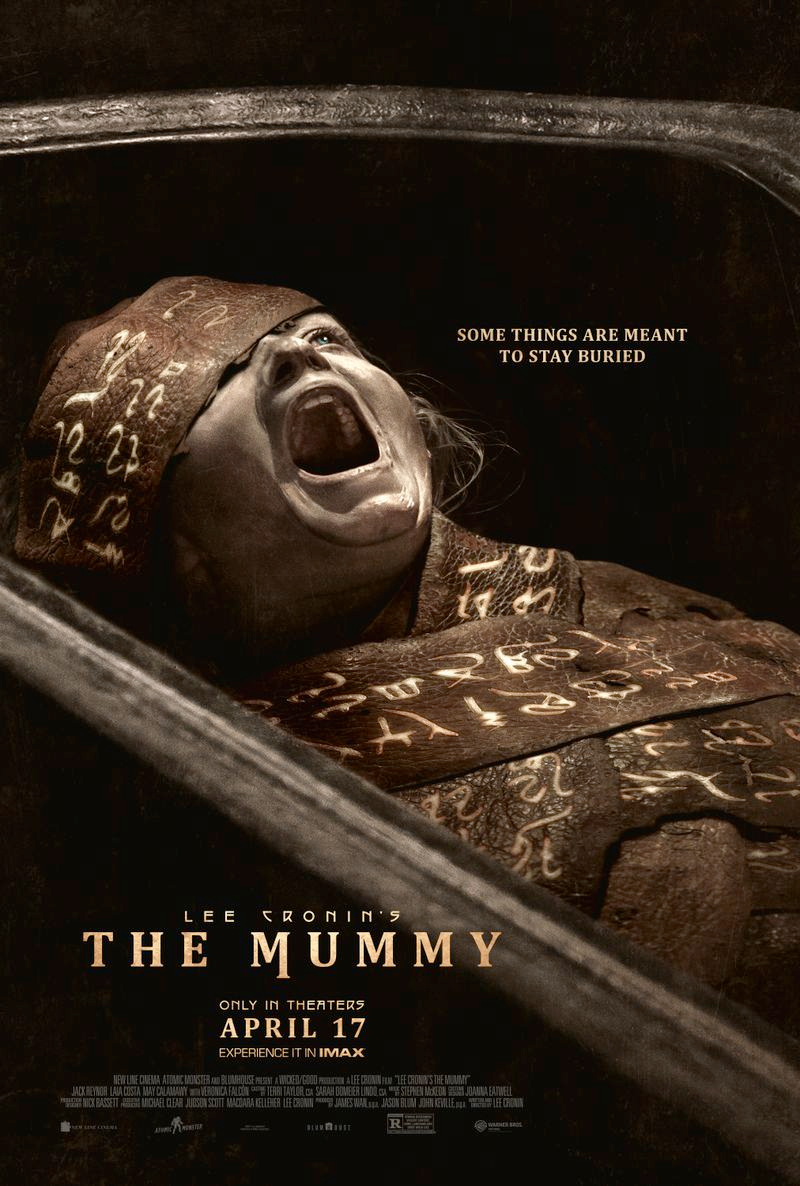
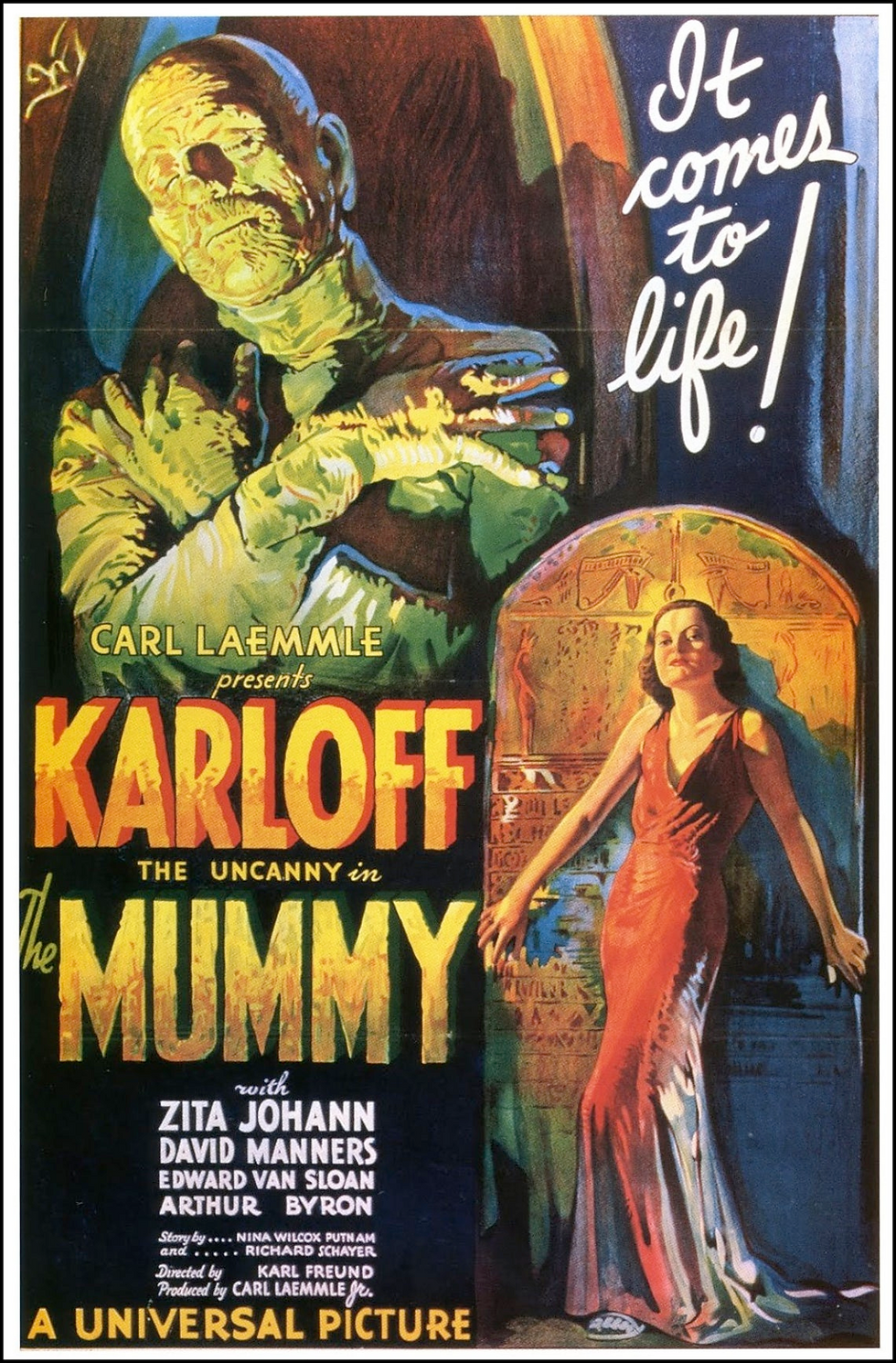
Because Lee Cronin's The Mummy is not a mummy movie. At all. There are zero mummies in the film, and the word "mummification" is used once, to describe a ritual ... that does not include mummification. (And don't try to argue "but the wrappings!" - a bandage is a bandage, bondage is bondage, and a mummy is the product of a funerary practice that requires removing organs and treating the corpse before then bandaging it.) Instead, The Mummy is an Evil Dead movie - and a fun one! But it is going to have a difficult time with audiences who are expecting a horror movie more aligned with a Borris Karloff film.
SPOILER ALERT. The film will also (and should) receive critical attention for the ridiculous cultural gymnastics used to center American characters. The premise is downright stupid - an Egyptian family guards a sarcophagus used to imprison a demon whose purpose is to ... disrupt families. When the current human vessel can no longer contain the demon (which happens every 37 years or so), a new vessel needs to be obtained. So, what does this Egyptian family with 3,000 years of ritual experience decide to do? Kidnap a young American girl from her fortified garden to serve as the new vessel.
Right. Sure. Because it makes sense to commit a high-visibility kidnapping after 3,000 years of successful subterfuge.
And so the film waffles for the first narrative arc, as it barely attempts to justify its own story. But once it gets to the Deaddite of it all the film vastly improves. The mythology of Evil Dead is a fantasy of global mysticism and necromancy that can logically take place anywhere, so the possession of a 16-year-old girl, be it in Egypt or the US, wreaking havoc in New Mexico works. The violence of the deaddite works because it doesn't need to be justified. And the practical effects are delightful when you don't have to try to understand their connection to mummification - the dead can walk, zombie-like and demonic, but also there's room for reclamation and recovery for the desired "happy ending."
At first I was annoyed, but now I wonder if the intent wasn't just to make a new Evil Dead movie all along - and the attempt was thwarted by a studio who either didn't want to flood the established franchise with two more Evil Dead films already in the works.
I also wonder what kind of blackmail Jack Reyner, or his agent, has up his sleeve, because I cannot believe the man is cast for his "talent." He has one vacant, wide-eyed expression whether he's being burned alive in a bear suit or witnessing the torture of his eight-year-old daughter. At least in Midsommar he was supposed to be chemically paralyzed - he has no such excuse in The Mummy. Natalie Grace and Billie Roy are the true stars of this film, so don't expect much from their on-screen parents.


Comments